
As the United States grapples with economic challenges, many Americans are expressing concerns about rising inflation and energy costs. Recent data indicates a significant increase in consumer prices, with inflation reaching 3.8% in April, the highest in three years. This surge is largely attributed to escalating energy prices following the military conflict with Iran, which began in February and led to the closure of the Strait of Hormuz, a critical passage for global oil shipments.
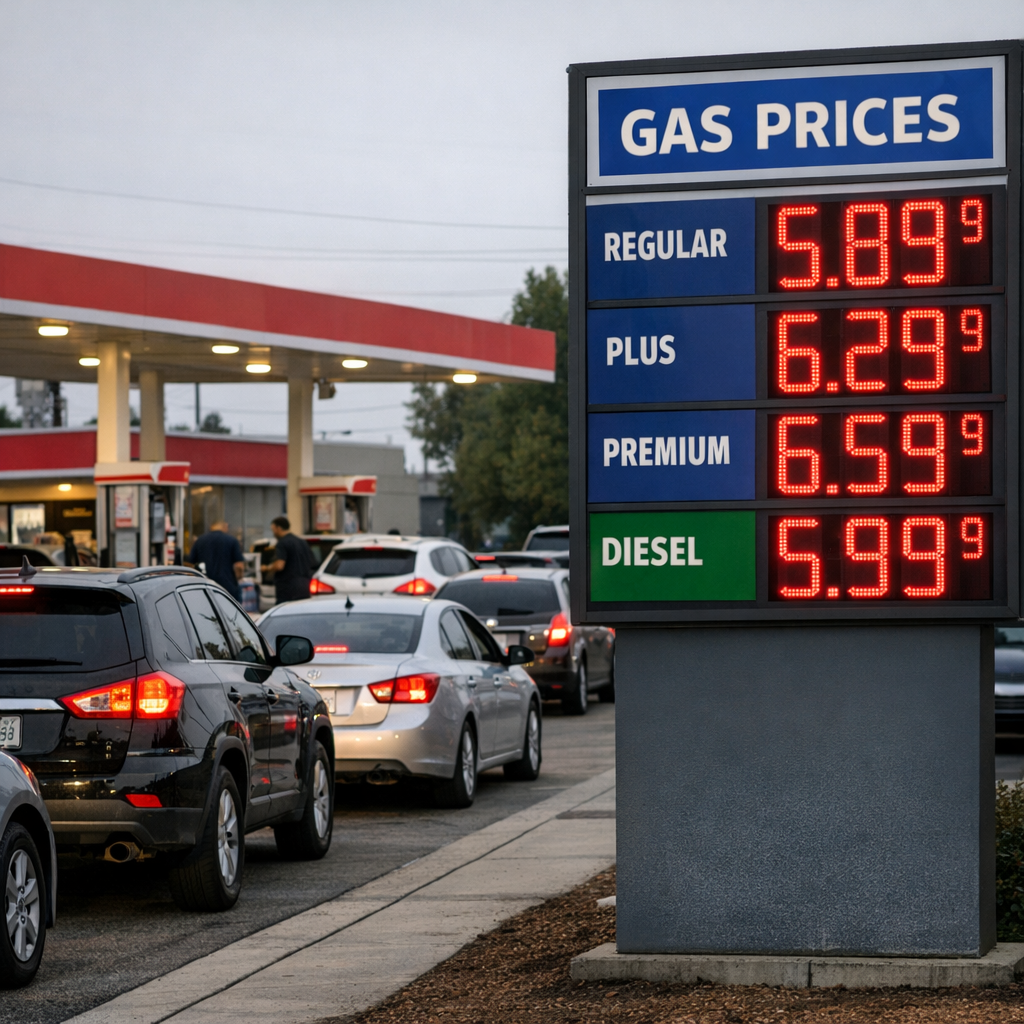
The impact on consumers has been profound. Average gasoline prices have exceeded $4.50 per gallon nationally, with some states experiencing prices above $5. This increase has strained household budgets, as 77% of respondents in a recent CBS News/YouGov poll reported that their incomes are not keeping pace with rising prices. Additionally, 70% of Americans expressed feelings of anger or frustration regarding the current economic situation.
In response to these challenges, the Federal Reserve has signaled potential interest rate adjustments to curb inflation. However, the effectiveness of such measures remains uncertain, especially given the complex interplay of global events and domestic economic policies. As the nation approaches the midterm elections, economic concerns are likely to play a pivotal role in shaping voter sentiment and policy discussions.
For residents of Huntington Beach, California, these national economic trends have local implications. The rise in energy costs affects commuting expenses, while inflation impacts the affordability of goods and services. Staying informed and engaged with both national and local economic developments is essential for navigating these uncertain times.