

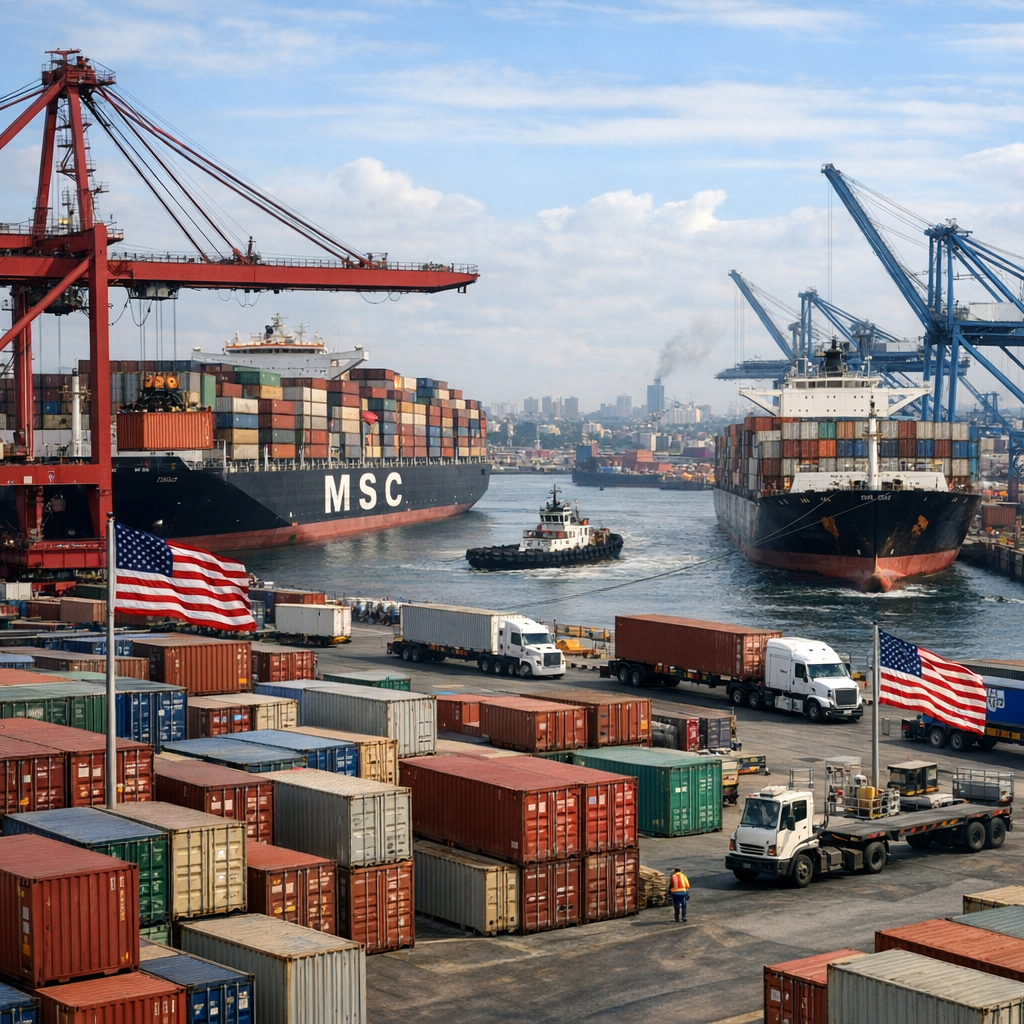
The U.S. economy has recently exhibited a mix of resilience and challenges. In the second quarter, the Gross Domestic Product (GDP) expanded at a 3% annual rate, rebounding from a first-quarter decline. This growth was partly attributed to a significant drop in imports, the largest since the COVID-19 outbreak, which added over 5 percentage points to the GDP growth. However, consumer spending showed modest growth of 1.4%, and private investment fell at a 15.6% annual rate, the steepest decline since the pandemic began.
Inflationary pressures have shown signs of easing. The Federal Reserve’s preferred inflation gauge, the Personal Consumption Expenditures (PCE) price index, rose at an annual rate of 2.1% in the second quarter, down from 3.7% in the first quarter. Core PCE inflation, which excludes volatile food and energy prices, increased by 2.5%, a decrease from the previous quarter’s 3.5%.
Trade policies continue to influence economic dynamics. President Donald Trump’s administration has implemented tariffs aimed at protecting American industries and encouraging domestic production. While these measures are intended to bolster the economy, they have also introduced uncertainties. Economists caution that tariffs can lead to higher costs for importers, potentially resulting in increased prices for consumers and businesses.
In summary, while the U.S. economy demonstrates areas of growth, factors such as trade policies and investment trends contribute to an environment of cautious optimism. Monitoring these developments is essential for understanding the broader economic trajectory.